

Анализ рисков и возможностей приобретения SMIC North

Recent developments in the semiconductor industry have taken center stage with the strategic acquisition of 49% stakes in 中芯北方 (SMIC North), highlighting the increasing competition and consolidation within this critical sector. The decision to enhance its presence in semiconductor manufacturing is not merely a reactive measure but a proactive strategy aimed at positioning the company advantageously against its rivals. As the global demand for semiconductors continues to rise, this acquisition underscores its importance for investors and stakeholders alike, marking a significant shift that warrants closer examination.
From a financial perspective, the acquisition reflects a remarkable increase in SMIC North's valuation, which surged from a balance sheet figure of 4,180,800,290 RMB to a striking market cap of 8,285,900,000 RMB. This 98.19% premium serves as a beacon of investor confidence in the long-term prospects of SMIC North, suggesting not only a robust demand for its products but also a broader optimism within the semiconductor sector. Furthermore, the methodology tied to the share price—averaging 80% of trading prices over the last 120 days—demonstrates a disciplined approach to valuation, aligning with current market realities and instilling a sense of fiscal responsibility.
However, potential pitfalls lurk beneath the surface of this ambitious deal. The successful consummation of the agreement hinges largely on obtaining regulatory approvals, a process that is often fraught with delays and uncertainties. Regulatory dependencies highlight a crucial area of risk, especially in a sector subject to stringent oversight. Moreover, the legal obligations concerning the accuracy of information used in this transaction cannot be overlooked. Should any misleading information come to light, it could result in severe repercussions not only for the company but also for its partners, thereby necessitating rigorous compliance and transparency. The semiconductor market's inherent volatility—exposed to rapid technological shifts and competitive pressures—also raises red flags about the sustainability of asset performance post-acquisition.
In conclusion, while this acquisition positions the company favorably within the semiconductor industry, it is imperative to remain vigilant regarding the associated regulatory and operational risks. This move prioritizes growth and market leadership, yet the unpredictable nature of technological advancements requires a robust risk management strategy. Stakeholders must weigh these factors carefully, as the balance between potential return on investment and the inherent risks could dictate the overall success of this strategic endeavor.
Читайте далее

Анализ хеджирования валютных рисков Jiangsu Lianrui
Критический анализ годового отчета Jiangsu Lianrui New Materials Co., Ltd. по вопросам хеджирования валютных рисков и связанных с этим трендов.
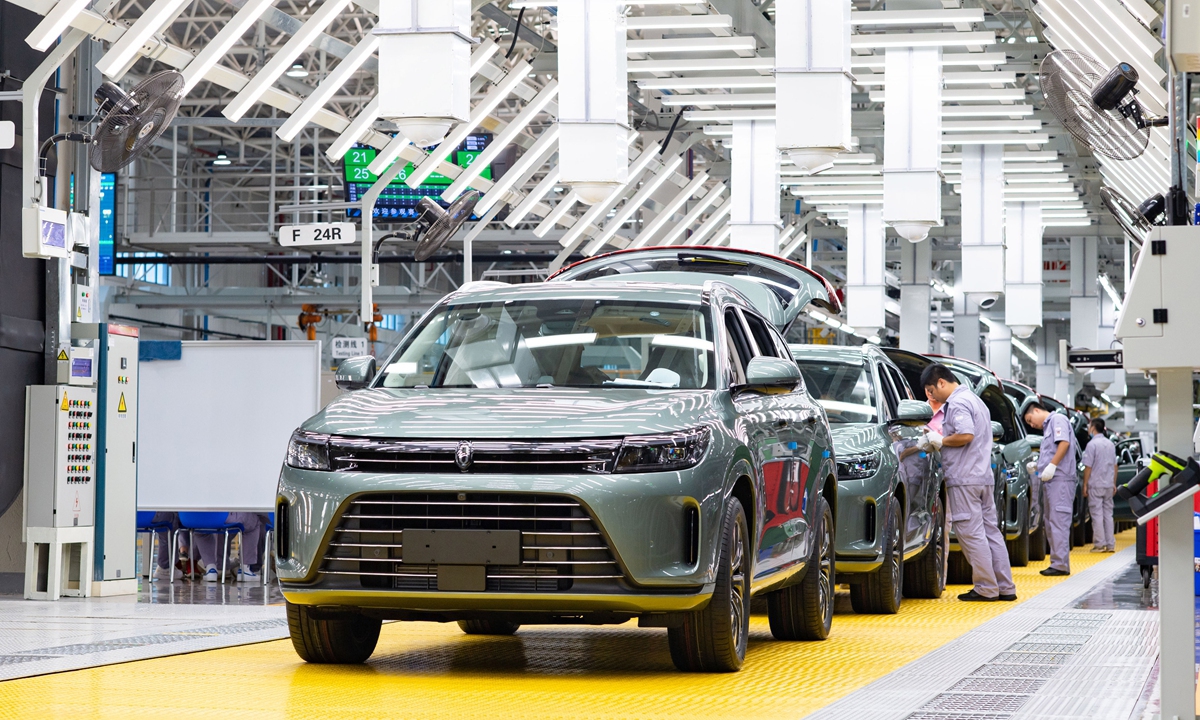
Оптовые продажи электрических автомобилей в Китае вырастут на 13% до 17,3 миллиона в 2026 году
В Китае прогнозируется рост оптовых продаж новых энергетических автомобилей на 13%, подтверждая международную конкурентоспособность.

Фич Рейтингс: Конфликт в Иране может замедлить банкскую систему Саудовской Аравии
Fitch предупреждает, что конфликт Ирана и Саудовской Аравии может замедлить рост банковского сектора и повлиять на дивиденды.